Babur
The founder of the Mughal Empire. A brilliant military strategist who won the First Battle of Panipat using advanced gunpowder technology and field artillery.

Humayun
Known for his resilience. After losing his empire to the Sur dynasty, he lived in exile for 15 years before reclaiming his throne with Persian assistance.

Sher Shah Suri
A legendary administrator who interrupted Mughal rule. He introduced the 'Rupiya' and built the Grand Trunk Road, which still exists today.

Akbar the Great
Architect of the Mughal golden age. He expanded the empire to its peak through military conquest and a policy of religious tolerance (Sulh-i-kul).

Jahangir
A great lover of nature and the arts. His reign saw the flowering of Mughal painting and the first contact with European trade ambassadors.
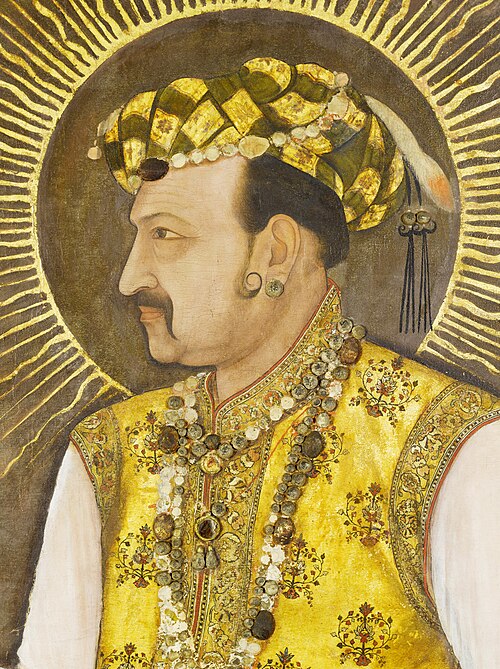
Shah Jahan
The Architect King. He commissioned the Taj Mahal, the Red Fort, and the Peacock Throne, leaving an indelible mark on world architecture.
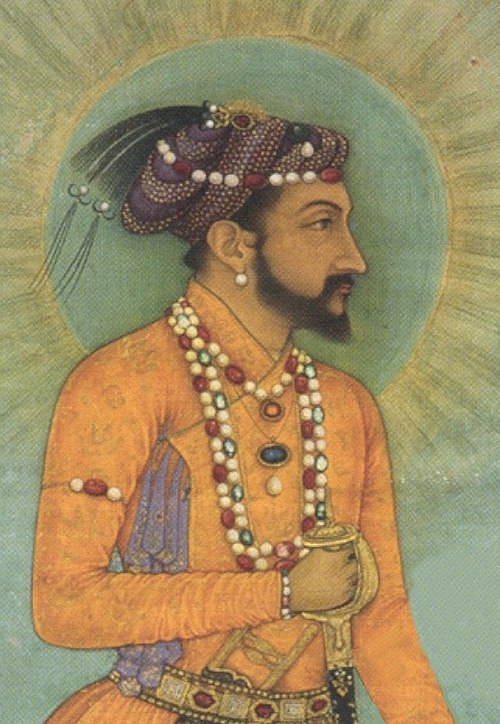
Aurangzeb
Under his rule, the empire reached its maximum territorial extent. He was a devout and hardworking ruler whose long wars in the Deccan exhausted the treasury.
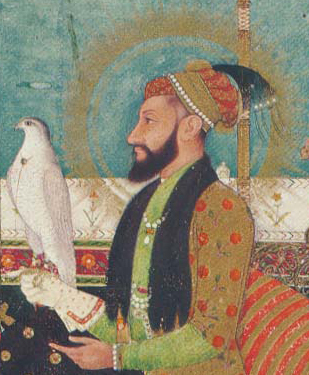
Muhammad Shah
His reign witnessed the invasion of Nadir Shah and the loss of the Koh-i-Noor diamond, signaling the gradual decline of centralized Mughal power.

Bahadur Shah Zafar
The last Mughal emperor and a renowned Urdu poet. He became the symbolic leader of the 1857 Revolt against British rule.
