AEET Establishment
Founded by Dr. Homi Jehangir Bhabha as the Atomic Energy Establishment, Trombay (AEET) to spearhead India's nuclear program.

APSARA: Asia's First
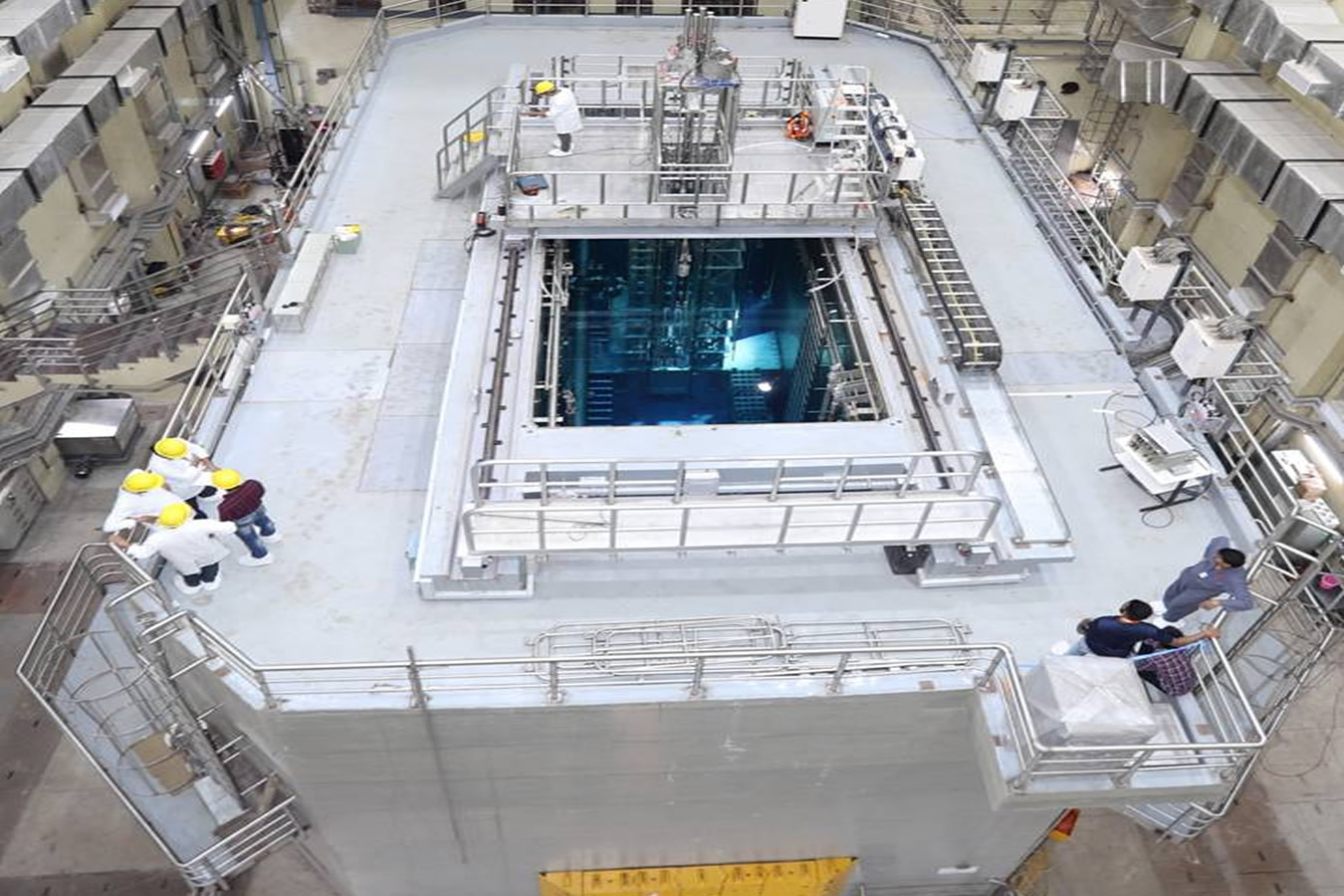
Asia's first nuclear research reactor, APSARA, became critical, marking a monumental achievement in indigenous technology.
Renamed to BARC
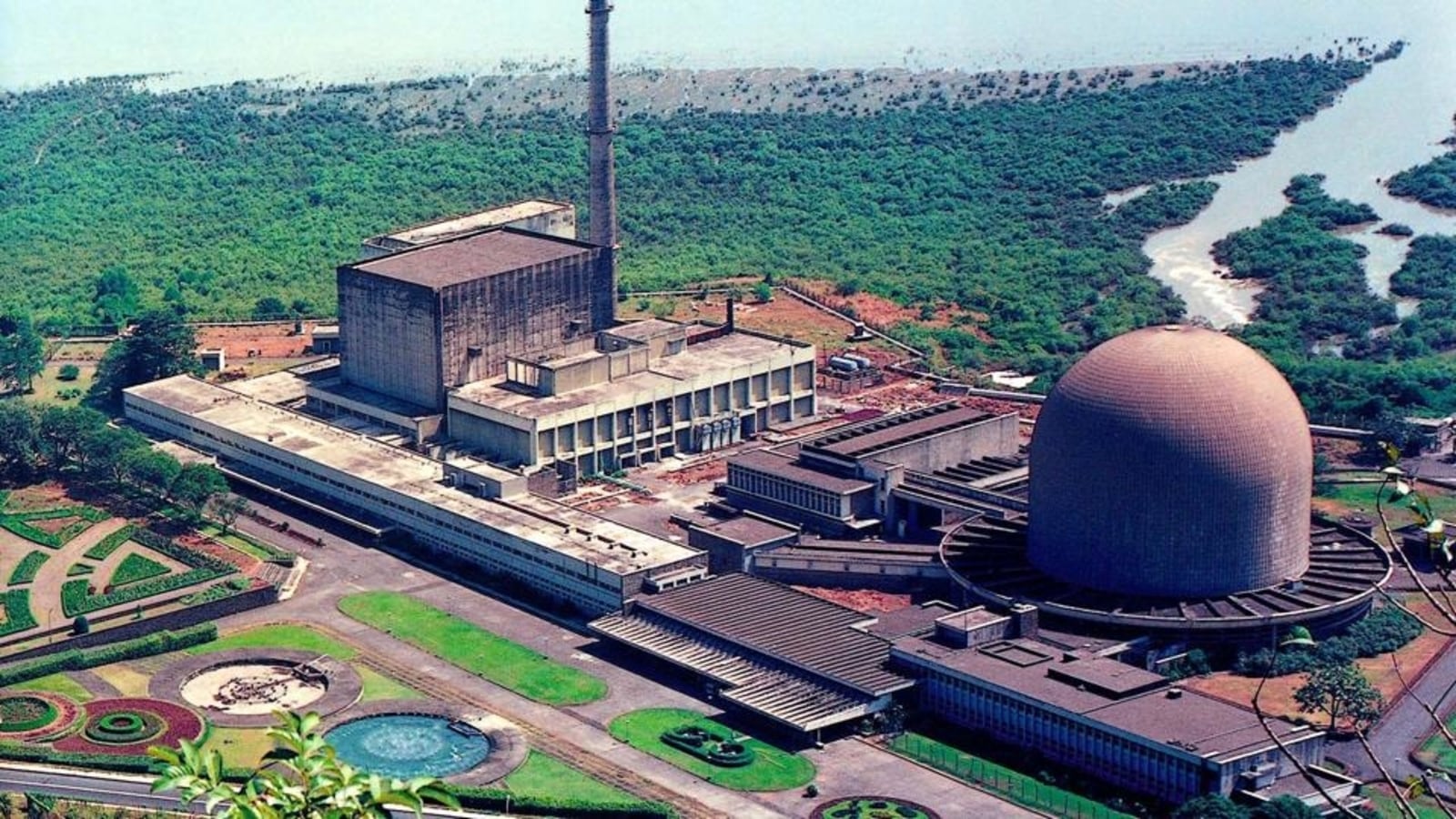
The institution was renamed the Bhabha Atomic Research Centre in honor of its founder, Dr. Homi J. Bhabha, after his tragic demise.
Smiling Buddha
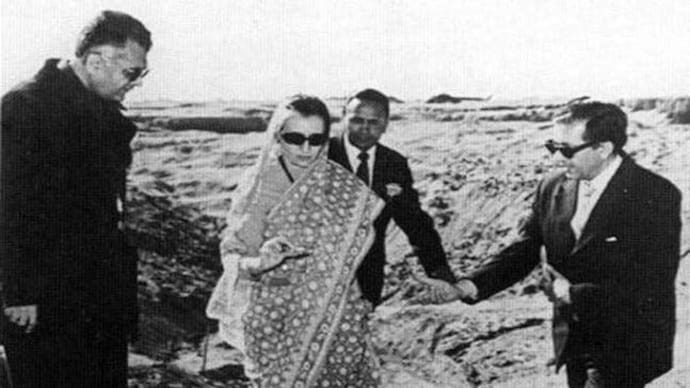
India successfully conducted its first underground nuclear test at Pokhran, demonstrating a "peaceful nuclear explosion" capability.
DHRUVA Criticality
The DHRUVA reactor, India's largest research reactor, attained criticality, becoming a major source for radioisotopes and neutron research.

Operation Shakti
A series of five nuclear tests were conducted in Pokhran, establishing India as a full-fledged nuclear weapon state.
Bhabhatron Unveiled
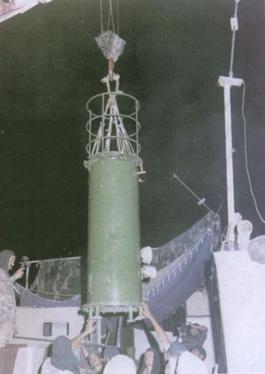
BARC developed Bhabhatron, an indigenous teletherapy machine for cancer treatment, making healthcare affordable and accessible.
APSARA Upgraded
APSARA-U, an upgraded version of India's first reactor, was commissioned with higher flux for advanced research and isotope production.