The Seed is Sown
The Indian National Committee for Space Research (INCOSPAR) was set up by the Government of India under the visionary leadership of Dr. Vikram Sarabhai.

ISRO is Born
On August 15, 1969, ISRO was formed, replacing INCOSPAR. Its mission: to harness space technology for national development.

Aryabhata
India's first satellite, Aryabhata, was launched. It was named after the famous Indian astronomer and was a major milestone in Indian space history.

SLV-3 Launch
India's first indigenous satellite launch vehicle (SLV-3) successfully placed the Rohini satellite into orbit, making India the 7th nation to have orbital launch capability.

Chandrayaan-1
India's first mission to the Moon. It discovered water molecules on the lunar surface, changing our understanding of the Moon forever.

Mangalyaan (MOM)
India became the first nation to reach Mars on its very first attempt. The Mars Orbiter Mission was one of the most cost-effective space missions in history.

Chandrayaan-2
A highly complex mission to the Moon's South Pole. While the mission was 95% successful, the landing phase faced challenges.
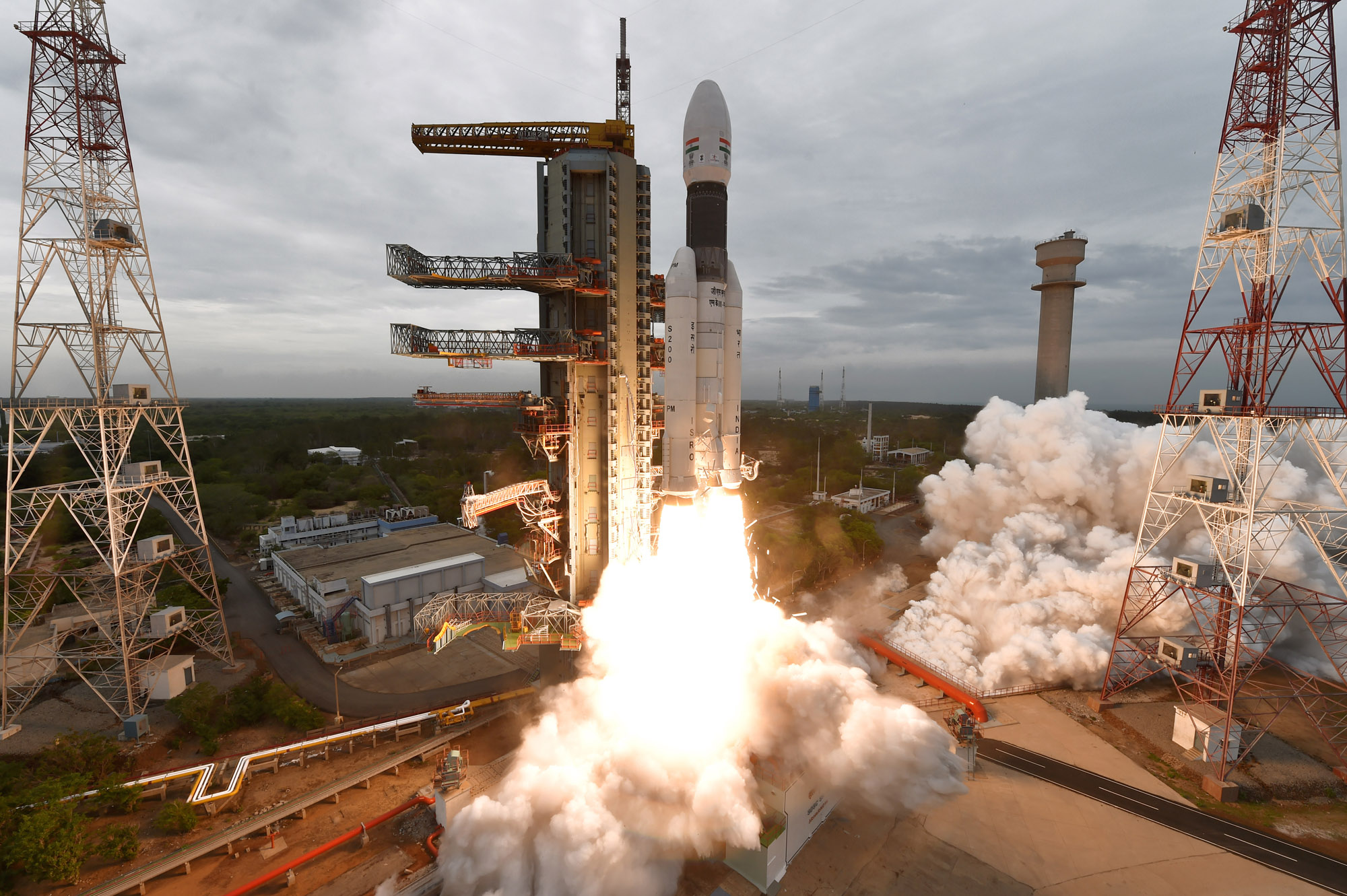
Chandrayaan-3 Success
Making history! India became the first country to land near the Lunar South Pole and the fourth to achieve a soft landing on the Moon.

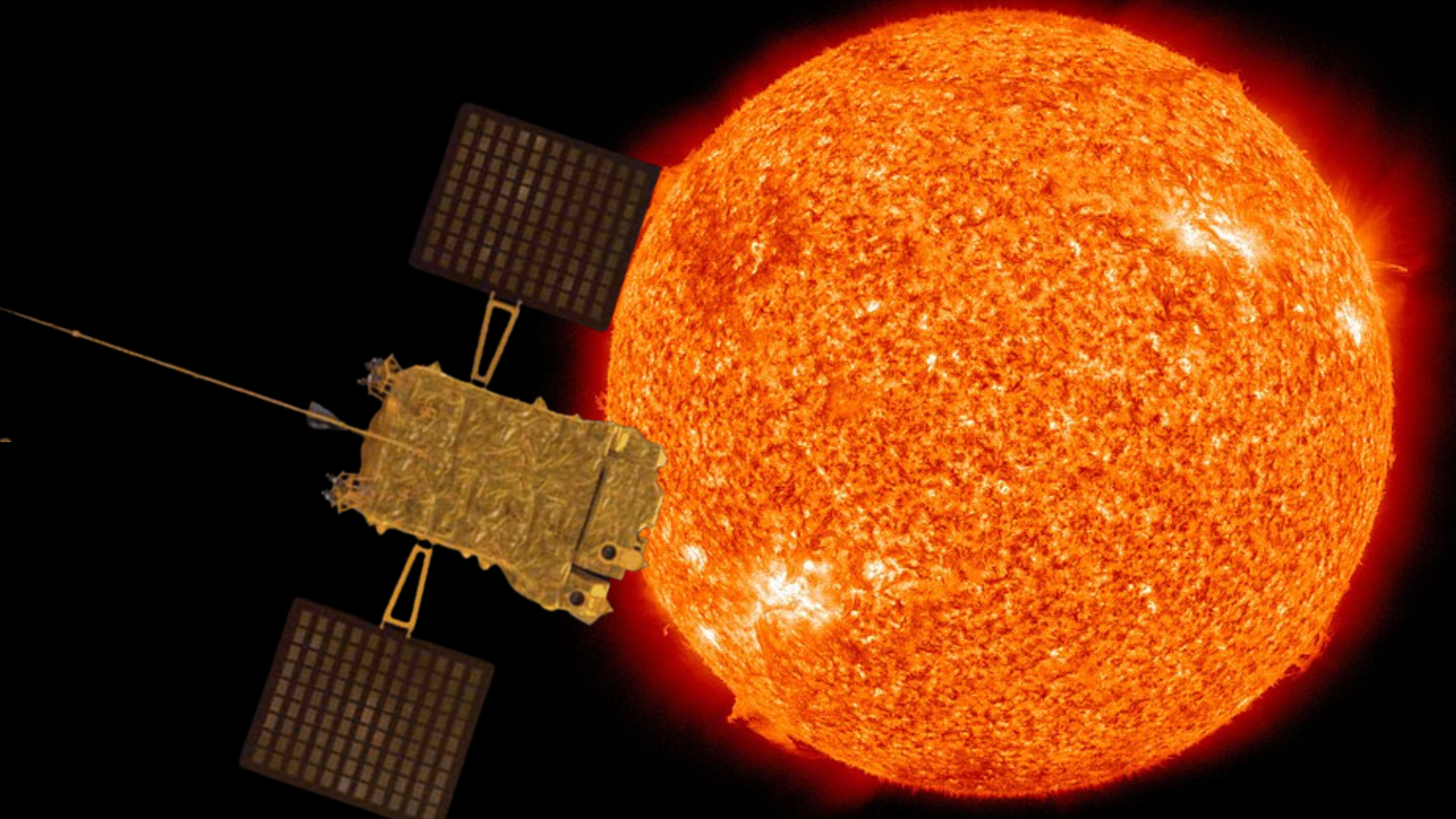
Aditya-L1
India's first dedicated solar mission to study the Sun from the Lagrange point L1. It will help us understand solar flares and space weather.
Gaganyaan
India's first human spaceflight mission. It aims to send three Indian astronauts (Gaganauts) into space and bring them back safely.

Chandrayaan-4
The next step! A Lunar Sample Return mission that will collect rocks and soil from the Moon and bring them back to Earth for study.
Chandrayaan-5 (LUPEX)
A joint mission between India (ISRO) and Japan (JAXA) to explore the polar regions of the Moon using a heavy rover.